Home › Services
Parking lot paving in Houston TX, planned around traffic, drainage and keeping doors open
Parking lot paving in Houston TX is a property decision as much as a construction one. A commercial lot is the first thing customers, residents and congregations touch, it carries delivery trucks and trash haulers nobody planned for, and it has to drain a Gulf Coast cloudburst on ground that barely slopes. This page is written for owners, property managers and facilities staff weighing a new lot, an expansion or a resurfacing. It covers how different lot types wear, where the heavy loads land, how water should leave a flat site, how work gets phased so a business stays open, and how to plan maintenance as a budget rather than a series of emergencies. To start on a specific site, send the address through the contact page.
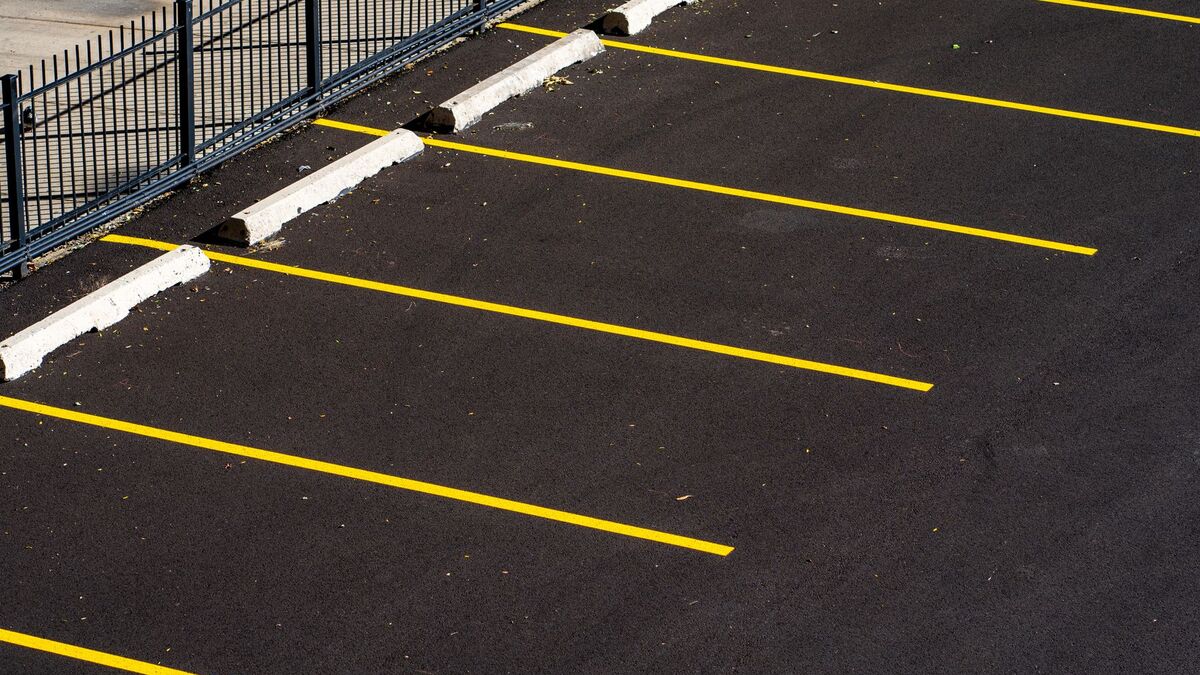
A parking lot is a structure, a drainage system and a first impression
Owners often think of a lot as flat paint-ready surface, but it works as three systems at once. Structurally it has to carry everything from compact cars to loaded box trucks without rutting over expansive clay. Hydraulically it is usually the largest impervious area on the parcel, collecting every inch of rain that falls on it and sending that water somewhere. And visually it shapes how tenants and visitors judge the whole property before they reach the door.
When one of those systems is neglected, the others suffer. Water left on the surface softens the base and creates potholes; a weak section near the dumpster spreads cracks toward the storefronts; a patchwork surface makes a well-kept building look tired. Good planning treats the lot as a long-lived asset with a service life, a drainage design and a maintenance schedule.
How retail, office, church, warehouse and apartment lots wear differently
Traffic patterns vary enormously between property types, and the pavement section and layout should follow how the site is actually used:
- Retail centers see constant turning in drive aisles, frequent delivery vehicles behind the building and heavy wear at entrances off busy roads.
- Office lots carry steady weekday commuter traffic with long parking dwell times, so oil drips and stationary loads matter more than turning.
- Churches face intense peak loads a few times a week, often with large overflow areas that sit unused and dry out between services.
- Warehouses and light industrial sites carry tractor-trailers, forklifts crossing outdoor areas and point loads from trailer landing gear.
- Apartment communities combine resident parking, moving trucks, trash collection and fire access around buildings that rarely empty out.
Heavy-load zones: trash trucks, delivery routes and dock aprons
The most common design mistake on commercial sites is building the entire lot to one section. A front-load garbage truck is among the heaviest vehicles most lots ever see, and it lowers its weight onto the same spot in front of the dumpster enclosure every week, often while turning its wheels in place. That combination tears up a section designed for cars.
Better practice is to identify the heavy routes and strengthen them: a thicker base and asphalt section along truck paths, and in many cases a concrete pad at the dumpster enclosure and in front of loading docks where trailers drop their dollies. Fire lanes and the main entrance used by delivery vehicles deserve the same scrutiny. The contractor specifies those sections for the expected loads; your job is to describe honestly what drives on the property.
Drainage, inlets and ponding on a flat commercial site
Large flat lots are where Houston's drainage problems show up most. Sheet flow across a wide surface has a long way to travel and very little fall to drive it, so a small grading error leaves a birdbath that never dries. Ponded water oxidizes the surface, softens the base and becomes a slip hazard and a complaint every time it rains.
A properly graded lot moves water in a deliberate pattern toward inlets, curb openings or swales, keeping it away from building entries and walkways. When resurfacing, inlet grates and their surrounding rings should be checked and adjusted so the new surface feeds into them instead of sitting high around the edges. Curb lines that have settled or been patched repeatedly may need resetting. On older centers, the original drainage design may simply be inadequate, and that is worth knowing before any asphalt is ordered.
Detention and site drainage requirements in general terms
Adding pavement adds runoff. Across the region, cities, counties and drainage districts generally require new or expanded impervious area to account for its effect on downstream flooding, often through on-site detention such as a pond, an oversized pipe or underground storage. The specific requirements depend on the jurisdiction and the size of the change, and they are set by the agency that reviews plans for that address.
For an owner, the practical points are simple. Expanding a lot usually means engineered plans and a review process, not just a contractor and a bid. Resurfacing an existing lot on the same footprint is often treated differently, but changing grades or inlet locations can bring review back into play. Ask early, because detention can shape the layout and the schedule more than the asphalt itself.
Phasing the work so the business stays open
Very few commercial owners can close their entire lot for a week. Phasing divides the site into sections that are worked one at a time while the rest stays in service. A typical phased project runs like this:
- Map the lot into zones based on entrances, tenant needs, fire access and the order trucks can reach each area.
- Agree on which entrances stay open at each stage and how customers will be directed around closed areas.
- Notify tenants, residents or members in writing well before work starts, with dates for each zone.
- Close and complete one zone at a time, using barricades, cones and temporary signs at every transition.
- Shift work to nights, weekends or slow days where the business pattern allows and the plant can supply mix.
- Reopen each finished zone only after the surface has cooled and firmed enough for traffic.
- Schedule markings after the asphalt has had time to settle, then remove temporary controls.
Milling and overlay on a commercial lot
Most mature lots around Houston are candidates for milling and overlay rather than complete reconstruction, provided the base is still sound. Milling removes the worn top layer so the new surface meets curbs, gutters, sidewalks and storefront thresholds at the right height, which matters on commercial sites where accessibility routes and door entries cannot be raised. It also gives a chance to correct minor grade problems and restore drainage toward inlets.
Where sections have failed down into the base, those areas are cut out and rebuilt before the overlay goes on, so the new surface is not laid over soft spots. The repair decisions themselves are explained on the asphalt repair page, and the full construction sequence for new sections is on the asphalt paving page.
Planning maintenance and budget cycles for an owner or manager
A lot that is managed on a cycle costs far less over its life than one that is ignored until it fails. Property managers who budget well usually think in tiers: routine work every year or two, moderate preservation every few years, and a major resurfacing far enough out to build a reserve for it. How quickly a lot moves through those tiers depends on traffic, drainage, sun exposure and how promptly small problems are handled.
Gulf Coast sun ages exposed asphalt quickly, and storm season is when hidden weaknesses turn into open potholes. An annual walk-through after the wettest months, with photos and notes by zone, builds a record that makes budget requests easier to defend. Preservation work such as sealcoating and parking lot striping fit into the shorter cycles; overlays and reconstruction belong in the capital plan.
Communicating with tenants, residents and the people who use the lot
Most complaints on commercial asphalt projects come from surprise rather than inconvenience. A retail tenant who learns about a closure the morning it happens will remember it at lease renewal. Apartment residents need to know where to park overnight and when their cars must be moved. Church leaders want work kept clear of services and events. Clear notices with dates, maps and a contact for questions prevent most of that friction, and a contractor who has worked occupied commercial sites will help plan them.
What a parking lot proposal should break out
Commercial bids vary widely because they assume different scopes. Your contractor prices the job after walking the site, and the major cost drivers are total area, how much is milled versus rebuilt, heavy-duty sections, drainage corrections, phasing and night work, traffic control, haul distance and markings. A complete proposal itemizes:
- A site plan or marked aerial showing each work zone and treatment
- Mill depth and overlay thickness, and where full-depth rebuilds are planned
- Heavy-duty sections at truck routes, dumpster pads and dock aprons
- Inlet, curb and grade adjustments included in the price
- The phasing plan, work hours and traffic control approach
- Whether markings are included or priced separately
- Responsibility for any plan review, permits or engineering
- Exclusions, allowances and how unexpected base failure is priced
- The workmanship coverage offered and its terms
Commercial lots across Greater Houston
Commercial asphalt work runs throughout Harris County and Fort Bend County, from strip centers along the Grand Parkway and US-290 to office parks off Beltway 8 and apartment communities near I-45 and I-69. Suburbs each bring their own mix of property types, and the local pages describe them, starting with Sugar Land and Pearland.
Parking lot paving in Houston TX — common questions
Can a parking lot be repaved without closing my business?
Usually, yes. Most commercial lots are resurfaced in phases, with one section closed at a time while the rest stays open for customers and deliveries. Entrances are planned so traffic always has a way in, and some work can move to nights or weekends when the business is quiet. The tradeoff is a longer overall schedule and added traffic control. A contractor experienced with occupied sites will propose a phasing plan as part of the bid.
Why does the area in front of our dumpster keep breaking up?
Garbage trucks are among the heaviest vehicles that ever enter a typical lot, and front-load trucks set their weight down in the same spot weekly while turning their tires in place. A section designed for passenger cars cannot take that repeated punishment, especially over wet clay. The common fix is a rebuilt heavy-duty section or a reinforced concrete pad sized for the truck's approach and lift area, rather than another asphalt patch.
How often should a commercial parking lot be resurfaced in Houston?
There is no single interval because traffic, drainage and maintenance history vary so much. Lots that get prompt crack and pothole repair, periodic sealing and good drainage can go much longer before an overlay than lots left alone in the sun and rain. A practical approach is an annual inspection that tracks how quickly distress is spreading, then planning the overlay before widespread base failure turns a resurfacing job into a reconstruction.
Does expanding our parking lot require drainage detention?
Often it does. Adding pavement increases runoff, and local jurisdictions across the Houston region commonly require new impervious area to be offset with detention or other drainage measures. What applies depends on the city, county or drainage district and the size of the expansion. Expect engineered plans and a review process. Bringing in the contractor and a civil engineer early helps fit detention into the layout before the parking design is finalized.
What causes standing water in a parking lot after it rains?
Ponding usually comes from low spots where the surface has settled, original grades that were too flat to begin with, or inlets that sit higher than the pavement around them. Clogged grates and settled curbs contribute too. Water that sits for hours speeds up aging and works into cracks. Correcting it might mean milling and regrading the area, adjusting inlet rims or adding a drain, depending on what the site survey shows.
How should we budget for parking lot maintenance over ten years?
Build the plan in layers. Set aside a modest yearly amount for crack sealing, small repairs and inspections, a larger sum every few years for sealing and restriping, and a capital reserve for an eventual overlay or partial rebuild. Ask your contractor for a condition assessment by zone, then assign each area to a timeline. Revisiting the plan after each storm season keeps the numbers grounded in what the lot is actually doing.
Should a church or apartment lot be built differently than a retail lot?
The basic construction is the same, but the loads and use patterns differ. Church lots often have large areas used only a few times a week, plus heavy peak traffic and occasional buses. Apartment lots carry moving trucks, trash collection and cars that rarely leave, which concentrates oil and stationary loads. Retail lots see more turning in drive aisles and delivery trucks. A good proposal reflects those differences in sections and layout.
Talk through your site
Start with the address, what you want done, and a few photographs of the area, including anywhere water sits after a heavy rain.
Related work
Asphalt Paving
New asphalt and overlays built for Gulf Coast clay, flat drainage, heavy rain and summer heat.
Parking Lot Striping
Layout, restriping, stalls, arrows, fire lanes and accessible spaces, laid out to the governing standards.
Asphalt Repair
Potholes, alligator cracking, base failure, edge breaks and the repair-versus-overlay decision.
Sealcoating
Crack sealing and sealcoat that slow sun oxidation and water damage, and when sealing is wasted money.
Asphalt Driveways
Asphalt for long, rural and acreage driveways, and how it compares with the concrete common in the city.
Across the metro
Katy
West-side growth along I-10 with master-planned communities, flat prairie clay and slow drainage.
Pearland
South-side suburb with commercial strips, newer subdivisions and heavy-rain drainage concerns.
Sugar Land
Fort Bend County city with office parks, retail centers, HOA communities and expansive clay.
Cypress
Northwest growth corridor with acreage lots, long driveways and new commercial pads.