Home › Services
Asphalt repair in Houston TX that treats the cause, not just the hole
A pothole in a Houston lot or driveway is rarely just a hole. It is usually the visible end of water getting under the surface, clay soil swelling and shrinking beneath the base, and heavy wheels pressing on a weak spot until it breaks. Fill it without dealing with that, and it comes back after the next storm. This page walks through the common kinds of asphalt distress, what each one says about the pavement underneath, the repair methods available from quick patches to full-depth rebuilds, and how to decide between repairing, overlaying and replacing. For an on-site diagnosis, start on the contact page with the address and pictures of the worst spots.
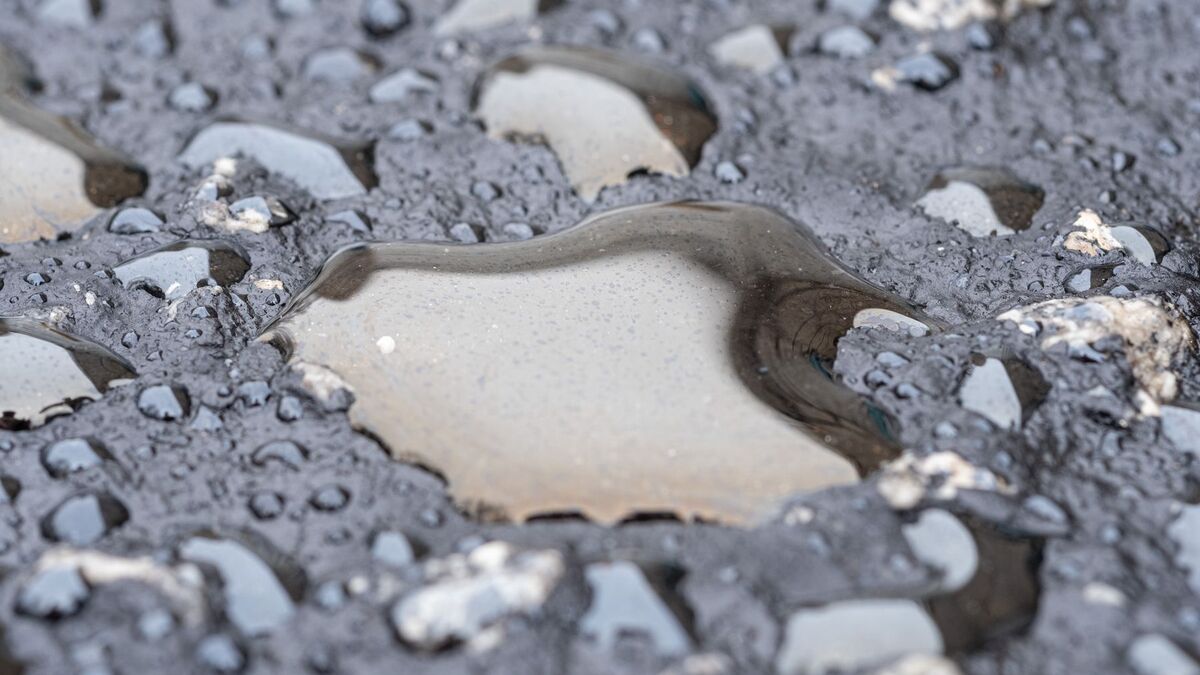
Why asphalt breaks down so fast on the Gulf Coast
Asphalt pavement is a flexible layer riding on a base, and the base rides on the native soil. Around Houston that soil is often expansive clay, the sticky material known around here as gumbo. Wet weather makes it expand, and a long dry spell leaves it shrunken and split. Every cycle pushes and pulls on the base above it, and the asphalt surface follows.
Add a flat landscape where water drains slowly, downpours that dump a lot of rain in a short time, tropical storms that leave lots underwater and a long, intense summer that bakes the binder until it turns brittle. The forces stack.A small crack lets water in, the water softens the clay, the base loses support, traffic flexes the surface and the crack becomes a web of cracks, then a pothole.
Reading the damage: common types of asphalt distress
Each kind of failure points to a different cause, and the right fix depends on correctly naming what you are looking at. A good contractor will diagnose before quoting.
- Potholes: bowl-shaped holes where surface and often base material have broken out and been carried away by traffic and water
- Alligator or fatigue cracking: interconnected cracks forming small, many-sided pieces that look like reptile skin, usually a sign the base underneath is failing
- Linear and transverse cracks: single cracks running along or across the pavement, often from shrinkage, aging or movement in the soil
- Edge breaks: crumbling along an unsupported pavement edge, common on driveways and private roads with soft shoulders
- Rutting: channels worn into wheel paths, caused by heavy loads on a mix or base that cannot carry them
- Raveling: loose stones and a rough, sandy surface as the aged binder lets go of the aggregate
- Depressions and ponding: low spots where water collects after rain, often over settled base or soft subgrade
Alligator cracking and base failure over wet clay
Alligator cracking deserves special attention because it is so often misread. The pattern looks like a surface problem, but it almost always means the support underneath has given way. When the base or subgrade gets soft, the asphalt above flexes under every passing vehicle, and repeated flexing breaks it into a network of small blocks. Sealing those cracks or sealcoating over them does not restore the support; it only hides the warning sign for a while.
In this region, the usual culprit is water reaching clay soil through unsealed cracks, a wet edge or a high water table. Saturated clay loses strength, and areas carrying trash trucks and delivery vans fail first. The lasting fix is to remove the failed material and rebuild the section, which is where full-depth repair comes in.
Throw-and-roll, saw-cut patching and full-depth repair compared
Not every patch is built the same way, and the method decides how long the repair lasts. Here is how the main approaches differ:
- Throw-and-roll: hot or cold mix shoveled into a pothole and compacted with a roller or truck tire. Fast and useful as an emergency measure, but loose edges and debris in the hole mean it often fails within a season
- Saw-cut surface patch: the damaged area is cut out in a neat rectangle down through the surface layer, cleaned, tack coated, filled with hot mix and compacted. Clean vertical edges help the patch bond and seal
- Full-depth repair: the cut goes through the asphalt and into the base, failed base and wet soil are removed, the subgrade is prepared, new base is placed and compacted and hot mix is laid on top in lifts
- Mill and inlay for larger areas: the worn surface is ground off over a defined section and replaced with new asphalt at the same height as the surrounding pavement
How a full-depth repair is done
When the base has failed, the repair has to reach it. The exact depths and materials depend on the site, the traffic and what the contractor finds when the old pavement comes out, but the sequence generally looks like this:
- Mark the repair area a little beyond the visible damage so the patch sits on sound pavement
- Saw-cut straight edges and remove the broken asphalt
- Dig out soft or saturated base and any pumping clay underneath
- Correct the cause where possible, such as an edge that keeps the base wet or a low spot that holds water
- Place and compact new base in layers to the depth the contractor specifies for the traffic
- Apply tack coat to the cut edges and place hot mix in compacted lifts
- Seal the joint where new meets old so water does not find a fresh path in
Infrared asphalt repair and where it fits
Infrared repair uses a heater panel to soften the existing asphalt in place. The crew rakes the heated area, adds rejuvenator and fresh hot mix as needed, and compacts it all into a seamless patch with no cut joints. Because the repair is fused into the surrounding pavement, there is no edge for water to work into.
It works well for surface problems: potholes that have not reached the base, raveled spots, trench settlement at the top layer, birdbaths on otherwise sound pavement and seams that have opened up. It is not a cure for base failure. If the support underneath has gone soft, heating the surface and recompacting it leaves the same weak foundation in place. Diagnosis comes first, method second.
Crack routing and sealing before cracks become holes
Cracks are where most asphalt damage begins, and sealing them is one of the most cost-effective things an owner can do. The better practice is to rout the crack, which means cutting a uniform reservoir along it, then blow it clean and dry with hot compressed air and fill it with hot-applied rubberized sealant. Routing gives the sealant a consistent channel to grip and room to stretch as the pavement expands in summer and contracts in a cold snap.
Crack sealing has limits. It works on individual cracks in otherwise sound asphalt. Wide, deep or heavily branched cracks, and anything that looks like alligator cracking, are signs that the problem goes deeper than a sealant can reach. Crack sealing is also the step that normally comes before sealcoating, since a coat of sealer cannot bridge open cracks on its own.
Edge breaks, rutting and raveling
Edge breaks happen where asphalt ends without a curb or firm shoulder. Wheels drift onto the unsupported edge and it crumbles, so firming up the shoulder matters as much as the patch.
Rutting shows up in wheel paths, drive-throughs and loading areas where heavy vehicles repeat the same track, especially in summer heat when the asphalt is softer. Raveling is an aging problem: sun and air oxidize the binder until stones loosen. Small raveled areas can be patched, but widespread raveling points toward an overlay or resurfacing rather than spot repairs.
How flooding and standing water speed up damage
Water is the biggest enemy of asphalt pavement, and the Houston area gets plenty of it. A lot or drive that sits under floodwater after a tropical storm can have its base saturated for days. The clay can stay soft after the surface dries, so the first heavy loads may break pavement that looked fine.
Everyday ponding does slower damage. Water sitting in a depression after every rain works into hairline cracks and keeps the base wet, so the real fix is correcting the grade, not just patching the surface.
Repair, overlay or replace: making the call
The choice between targeted repairs, a new surface layer and full reconstruction comes down to how much of the pavement is affected and whether the base is still sound. Spot repairs make sense when damage is limited and the rest of the surface is in reasonable shape. An overlay can renew a pavement that is worn, cracked or raveled across its surface but still structurally sound, after failed spots are repaired first. Full replacement becomes the better value when base failure is widespread, drainage is fundamentally wrong or the surface has been patched so often that it is mostly patches.
- Share of the surface showing alligator cracking or base failure
- Whether drainage problems can be corrected without regrading the whole area
- Age of the pavement and how many repair cycles it has already been through
- Traffic type and weight, from passenger cars to delivery trucks and trash haulers
- How long the owner plans to keep the property and the budget cycle available
When the answer is bigger than a repair
If the assessment points toward resurfacing or reconstruction, the asphalt paving page covers overlays and new construction, and the parking lot paving page covers phasing and planning for commercial lots. For homes on acreage and rural properties, the asphalt driveways page explains when a worn drive is worth rebuilding. Repairs done ahead of a planned overlay are not wasted; failed sections need to be fixed before any new layer goes down.
Cost drivers and what to send for a quote
Repair pricing depends on the size and number of repair areas, how deep the damage goes, whether base material has to be removed and replaced, access for equipment, traffic control on a busy commercial lot, hauling and disposal, and whether the work is combined with crack sealing, sealcoating or striping. A contractor prices the job after seeing the damage in person, because the extent of base failure often is not obvious from photos alone.
Property owners from Pearland to Sugar Land and throughout the surrounding communities can help the process along by sending the property address, wide shots that show the overall area, close-ups of the worst spots, notes on where water collects after rain and any history of past patching. A written proposal should state each repair location, the method for each, the depth of excavation where base work is planned and how joints will be sealed.
Asphalt repair in Houston TX that treats the cause — common questions
Why does my pothole keep coming back after it's patched?
Most repeat potholes come from patches that only filled the surface. If the hole was not cleaned, cut to firm edges and compacted, or if the base underneath was soft from water and clay movement, the patch has nothing solid to sit on. Traffic pushes it down, water gets in at the edges and the hole reopens. A saw-cut or full-depth repair that fixes the support, along with sealing the joints, usually ends the cycle.
Is it worth repairing alligator cracking or should I repave?
It depends on how much of the pavement is affected. Isolated patches of alligator cracking can be cut out and rebuilt with full-depth repairs, leaving the rest of the surface in service. When the pattern covers a large share of a lot or driveway, repairing piece by piece can cost nearly as much as starting over and still leaves aging pavement around the patches. A contractor can map the affected areas and compare both paths for you.
Can asphalt be patched when it's raining?
Permanent hot-mix repairs need a dry, clean hole. Water in the excavation stops the mix from sticking and cools it too quickly to compact properly. Cold patch can be pushed into a pothole during wet weather as a temporary measure to reduce hazards, but it should be treated as a stopgap. Around Houston, contractors watch the forecast closely and schedule permanent repairs in dry windows between storms.
How soon can I drive on a new asphalt patch?
A hot-mix patch firms up as it cools, and smaller patches are often ready for light traffic later the same day. On very hot afternoons, the asphalt stays soft longer, and heavy vehicles or sharp turns can scuff or dent a fresh patch. The contractor will tell you when the area can reopen and may suggest keeping trucks off it a bit longer. Larger full-depth repairs may need more time before heavy loads.
What is infrared asphalt repair and is it any good?
Infrared repair heats the existing asphalt in place so it can be reworked, mixed with some fresh material and recompacted without cut seams. Because the patch fuses into the old pavement, it resists water better than a typical cold joint. It is a good fit for surface defects like shallow potholes, raveled spots and settled areas. It does not solve base failure, so it works best when the support beneath the surface is still sound.
Does floodwater damage an asphalt parking lot or driveway?
It can. Prolonged flooding saturates the base and the clay soil underneath, which lose strength while they stay wet. The surface may look normal once the water drains, but heavy traffic over a softened base can cause cracking, depressions and potholes in the weeks that follow. After a significant flood, watch for new cracks or soft spots and consider having the pavement assessed before heavy trucks resume regular use.
How can I tell if my asphalt has base failure?
Common signs include alligator cracking, areas that sink or feel spongy under a vehicle, ruts that keep deepening, potholes that return after patching and spots where water pushes up through cracks when traffic passes. Surface-only problems tend to stay shallow and stable, while base problems spread and worsen. If you see these signs, ask a contractor to check the area before choosing a repair method, since base failure needs a deeper fix than a surface patch.
Talk through your site
Start with the address, what you want done, and a few photographs of the area, including anywhere water sits after a heavy rain.
Related work
Asphalt Paving
New asphalt and overlays built for Gulf Coast clay, flat drainage, heavy rain and summer heat.
Parking Lot Paving
Lots for retail centers, offices, churches, warehouses and apartments, phased to keep a business open.
Parking Lot Striping
Layout, restriping, stalls, arrows, fire lanes and accessible spaces, laid out to the governing standards.
Sealcoating
Crack sealing and sealcoat that slow sun oxidation and water damage, and when sealing is wasted money.
Asphalt Driveways
Asphalt for long, rural and acreage driveways, and how it compares with the concrete common in the city.
Across the metro
Katy
West-side growth along I-10 with master-planned communities, flat prairie clay and slow drainage.
Pearland
South-side suburb with commercial strips, newer subdivisions and heavy-rain drainage concerns.
Sugar Land
Fort Bend County city with office parks, retail centers, HOA communities and expansive clay.
Cypress
Northwest growth corridor with acreage lots, long driveways and new commercial pads.