Home › Services
Asphalt driveway work in Houston TX for long, rural and acreage properties
Drive through most Houston subdivisions and nearly every driveway is concrete, and for a short city drive that usually makes sense. Asphalt earns its place elsewhere: the quarter-mile lane on an acreage tract, a rural road shared by a few homes, an old gravel drive that turns to mud after every storm, or an existing asphalt drive that has simply worn out. This page is written for owners in those situations. It covers when asphalt is the right material for a home, how width, the street apron and culvert crossings are handled, what the base needs on Gulf Coast clay, how cars differ from loaded trucks and trailers, what to expect while new asphalt cures in the heat, and how to compare asphalt with concrete honestly.
Why concrete dominates city driveways, and where asphalt fits
Most production builders around Houston pour concrete driveways, and plenty of HOAs write concrete into their standards, so a typical subdivision lot rarely has a choice. For a short drive with a two-car garage at the end, it is hard to argue with.
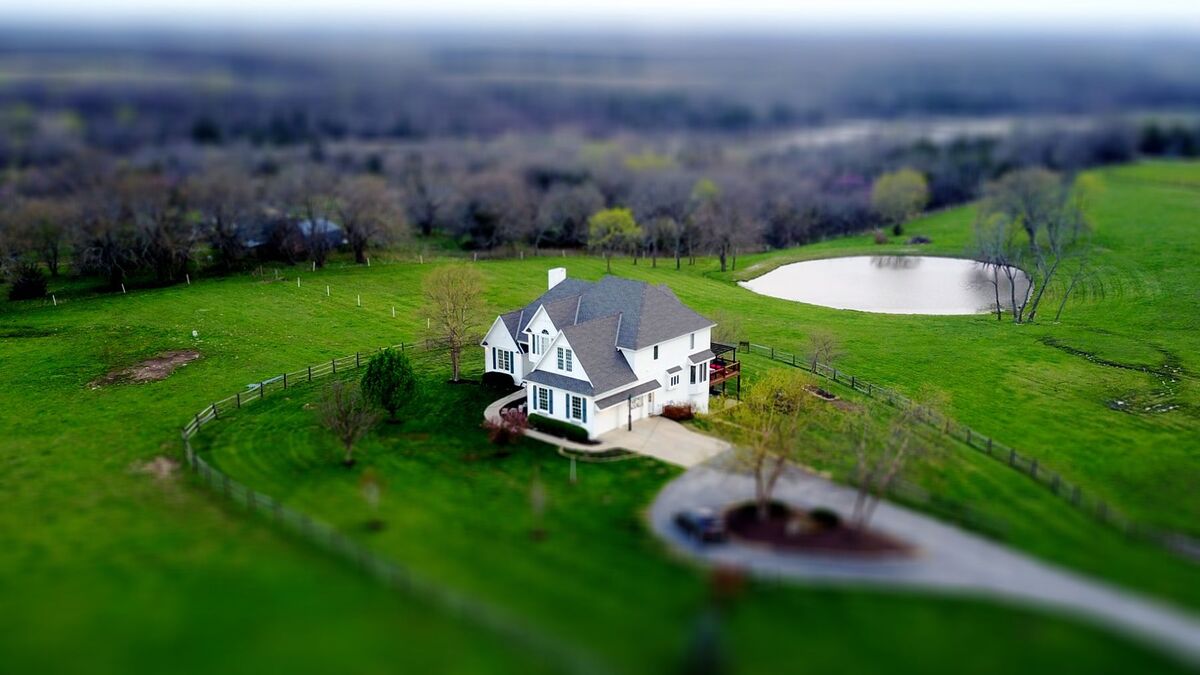
The math changes with length and setting. Out toward Tomball, Rosenberg and the far reaches of Brazoria and Montgomery counties, homes sit on larger tracts where a driveway can stretch hundreds of feet. Asphalt usually costs less to install across that distance, goes down faster, tolerates minor ground movement with small cracks instead of slab breaks, and can be patched or resurfaced in sections. It also suits private roads shared among several owners, barn and shop access, and properties already served by an asphalt drive that just needs replacing.
Good candidates for an asphalt drive around Greater Houston
If your property fits one of these descriptions, asphalt deserves a serious look alongside concrete:
- Long acreage driveways where the length makes concrete a much larger investment.
- Rural lanes and private roads serving more than one home, where future patching in sections is a practical advantage.
- Gravel or shell driveways that rut, wash out or throw rock into the yard, and that the owner wants to convert to a hard surface.
- Existing asphalt drives that have reached the end of their life and can be milled, rebuilt or replaced in the same material.
- Drives to shops, barns or equipment yards where trucks and trailers turn and a hard, repairable surface is needed.
Width, turnarounds and parking pads
A single-lane driveway that feels generous for a sedan can feel tight with a pickup and a boat trailer. Width should be planned around the largest vehicle that will use the drive regularly, plus some margin so tires do not ride the edges, which is where asphalt breaks first.
Turnarounds and parking pads are worth deciding early. A hammerhead or circular turnaround near the house means no one has to back down a long lane onto a county road, and a wider pad near a shop gives trailers room to swing. Every added square foot raises material and labor, so a contractor should mark the proposed footprint on site with paint or stakes before the price is final.
Street aprons, culverts and ditch crossings
Where a driveway meets the road is the part most likely to involve someone besides the owner. Many rural and suburban roads in the region drain through open roadside ditches, and a driveway that crosses one generally needs a culvert pipe so water keeps flowing underneath. The city, county or road district that controls the right-of-way typically sets the rules for that connection, which can include the pipe material and size, the end treatment, and whether a permit or inspection is needed. A contractor should identify who has authority over your road and confirm the requirements before work starts.
The apron itself takes the hardest abuse on the whole drive: vehicles brake, turn and accelerate there, and the edge of the asphalt sits right next to a ditch that may hold water after a storm. Good practice is to give the apron a solid, well-compacted base, keep the culvert properly bedded and covered, and shape the transition so road runoff does not pour straight down the drive.
Building the base on expansive Gulf Coast clay
Much of the Houston area sits on expansive clay, the sticky soil locals call gumbo. It swells when it soaks up water and shrinks and cracks during drought. That movement is the root cause of many failed driveways, because it lifts and drops the pavement unevenly and lets water reach the base. A durable drive starts with what is underneath.
The usual approach is to strip topsoil, grass and organic material down to firm ground, shape and compact the subgrade so it sheds water, and then place a layer of crushed aggregate base that is compacted in lifts. On weak or very wet ground, some contractors stabilize the clay with lime or cement or use a geotextile fabric to separate soil from stone. The detailed construction sequence for new asphalt is covered on the asphalt paving page. For a driveway, the key point is that base depth and treatment are set by the contractor after looking at your soil, drainage and expected loads, not chosen from a one-size chart.
Thickness for family cars versus trucks and trailers
A drive that only sees passenger cars and the occasional delivery van needs less structure than one carrying a loaded horse trailer, a camper, a concrete truck for a future project or a propane delivery. Heavier axle loads push harder on the base and the clay beneath, and the damage concentrates where vehicles turn or stop.
Rather than quoting a single number, a careful contractor asks what will actually use the driveway now and over the next several years. More traffic or heavier loads generally call for a thicker or stronger base, more asphalt, or both, with extra attention at the apron, the turnaround and any spot where trucks park. If you plan to build a barn, pool or addition later, mention it: construction traffic is often what breaks a residential drive that was built only for cars.
Drainage on flat ground
Flat terrain is one of the defining challenges around Houston. Water that cannot run off a driveway sits on it, soaks the edges and seeps into the base. Heavy downpours and tropical storms make that worse, and a drive that holds water for a day after each rain will not last.
On a long drive the surface is typically crowned or cross-sloped so water sheds to one or both sides, and the shoulders are shaped so runoff moves away instead of collecting along the asphalt edge. Low spots may need fill to raise the drive above the surrounding yard, and some properties need a swale or additional culvert to carry water across.
How an asphalt driveway project usually runs
Every property is different, but most residential asphalt projects follow a similar order.
- Site visit and measurements, including soil, drainage, the road connection and the vehicles the drive must carry.
- Utility locates through Texas 811, the free call-before-you-dig service, plus any permits the road authority requires for the apron or culvert.
- Removal of old asphalt, gravel or topsoil, and grading of the subgrade to the planned slope.
- Culvert installation or replacement where the drive crosses a ditch.
- Placement and compaction of the aggregate base, with stabilization or fabric where the soil calls for it.
- Placement of hot asphalt with a laydown machine or by hand on small areas, followed promptly by rolling while the mix is still hot.
- Edge shaping, shoulder backfill and cleanup, then a period of restricted use while the new surface hardens.
Curing in summer heat and first-year care
Hot-mix asphalt is workable only within a temperature window, so crews have to place and compact it quickly. In a Houston summer, the mix stays hot longer, which helps compaction, but the finished surface is also softer for longer. You can usually walk on it within hours and drive on it gently after a short wait the contractor specifies, yet the asphalt keeps hardening for months.
During that first year, a few habits prevent avoidable damage. Avoid turning the steering wheel while the car is stopped, which scuffs the surface. Keep heavy trucks, trailers and dumpsters off the new drive, especially on hot afternoons. Do not let kickstands, jack stands or trailer tongues rest on bare asphalt without a board underneath. Sealing is not done right away; most contractors wait until the new asphalt has had time to cure, and the details are on the sealcoating page.
Asphalt versus concrete for a home, compared honestly
Neither material is right for every house, and anyone who says otherwise is selling something. Here is how they typically compare for a residential drive in this climate:
- Upfront cost: asphalt usually costs less to install, and the gap grows with driveway length.
- Heat: asphalt absorbs sun and can soften on the hottest days, so it scuffs more easily under turning tires; concrete stays rigid.
- Ground movement: asphalt flexes and develops small cracks as clay moves; concrete resists movement until it cracks, and a broken slab is harder to fix invisibly.
- Maintenance: asphalt benefits from periodic crack filling and sealing; concrete needs less routine care but repairs are more noticeable.
- Repairs: asphalt can be patched or resurfaced in sections with a reasonable color match over time; concrete repairs often mean cutting out and replacing whole panels.
- Lifespan: well-built concrete often outlasts asphalt, while asphalt can be resurfaced to extend its life rather than replaced outright.
- Restrictions: HOAs and some city rules may require concrete, so check before deciding.
Cost drivers and what a driveway proposal should include
Driveway prices cannot be quoted responsibly without a site visit. The main drivers are length and width, the amount of old material to remove, how much grading and fill the ground needs, soil conditions and any stabilization, the culvert and apron work, base and asphalt depth, access for trucks and equipment, and how far the property sits from an asphalt plant. A long rural drive and a short replacement in town are priced on very different terms.
A complete proposal should list the footprint and square footage, demolition and disposal, base material and depth, asphalt mix and compacted depth, culvert and apron details, drainage shaping, any permits and who obtains them, cleanup, and the workmanship coverage offered. If you are weighing a long drive out in Cypress or anywhere else in the region, send the address, a few photos and a note about the vehicles that use it through the contact page, and the contractor will take a look.
Asphalt driveway work in Houston TX for long — common questions
Is an asphalt driveway cheaper than concrete in Houston?
For most residential drives, asphalt costs less to install than concrete, and the difference becomes larger on long rural or acreage driveways. The full picture also includes maintenance: asphalt typically needs crack filling and periodic sealing, while concrete needs less routine care but costs more to repair when a slab breaks. Your soil, the length of the drive, culvert work and the vehicles it must carry all affect the final number, which a contractor sets only after seeing the property.
Can I put asphalt over my existing gravel driveway?
Sometimes, but not simply by spreading asphalt on top. An old gravel drive is often contaminated with clay and has ruts, soft spots and an uneven crown. The contractor usually regrades it, removes muddy or organic material, adds fresh crushed base where needed and compacts everything before any asphalt goes down. In some cases the existing stone becomes part of the new base, which can reduce cost. Whether that works depends on how deep and clean the gravel is and how well it has drained.
Do I need a permit for a driveway culvert in Harris County?
Driveway connections that cross a roadside ditch or tie into a public road often fall under rules set by whoever controls that right-of-way, which might be the county, a city or another road authority depending on your address. Those rules can cover the culvert pipe, its installation and whether a permit or inspection is required. Ask your contractor to identify the authority for your road and confirm the requirements before work starts, rather than assuming no approval is needed.
How soon can I park a truck or trailer on a new asphalt driveway?
Passenger cars can usually use a new drive after a short wait, but heavy trucks, trailers and RVs should stay off it longer, particularly during hot weather when the surface is softest. The asphalt continues to harden for months. When a heavy vehicle does park on it, a board or pad under the trailer jack, tongue or kickstand spreads the load and prevents dents. The contractor who placed the drive should give you specific timing for the product used and the season.
Why is my HOA requiring a concrete driveway?
Many deed restrictions and architectural guidelines in Houston-area subdivisions specify concrete driveways so the neighborhood looks uniform and matches the sidewalks and garage aprons the builder installed. If your property is in an HOA, review the restrictions or ask the architectural committee before you collect bids. Asphalt is far more common on properties without those restrictions, such as acreage lots, rural roads and older homes in unincorporated areas.
How long does an asphalt driveway last on Gulf Coast clay?
There is no fixed number, because lifespan depends on the base, drainage, traffic and maintenance more than the asphalt itself. A drive built on a solid, well-drained base and kept up with crack filling and periodic sealing will last much longer than one laid thin over soft clay. The usual sign of trouble is cracking that spreads into a web pattern, which points to base problems. Many drives can be resurfaced once the top wears out rather than rebuilt from the ground up.
Talk through your site
Start with the address, what you want done, and a few photographs of the area, including anywhere water sits after a heavy rain.
Related work
Asphalt Paving
New asphalt and overlays built for Gulf Coast clay, flat drainage, heavy rain and summer heat.
Parking Lot Paving
Lots for retail centers, offices, churches, warehouses and apartments, phased to keep a business open.
Parking Lot Striping
Layout, restriping, stalls, arrows, fire lanes and accessible spaces, laid out to the governing standards.
Asphalt Repair
Potholes, alligator cracking, base failure, edge breaks and the repair-versus-overlay decision.
Sealcoating
Crack sealing and sealcoat that slow sun oxidation and water damage, and when sealing is wasted money.
Across the metro
Katy
West-side growth along I-10 with master-planned communities, flat prairie clay and slow drainage.
Pearland
South-side suburb with commercial strips, newer subdivisions and heavy-rain drainage concerns.
Sugar Land
Fort Bend County city with office parks, retail centers, HOA communities and expansive clay.
Cypress
Northwest growth corridor with acreage lots, long driveways and new commercial pads.